
Football Formations Explained: 4-3-3, 4-2-3-1, 3-5-2 and More

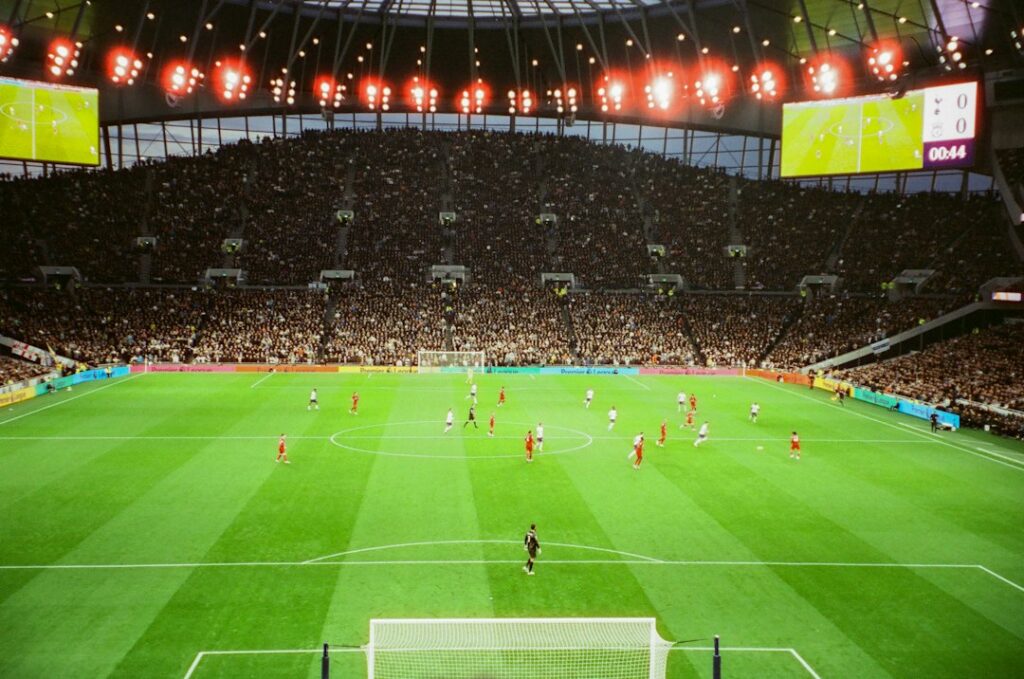
A formation describes how a team arranges its outfield players, counting from defence to attack. A 4-3-3 has four defenders, three midfielders and three forwards. The goalkeeper is not counted. Here are the systems you will see most often.
4-4-2
Two banks of four with two strikers. It was the standard formation in English football for decades and is simple to organise. Strengths: balanced, compact, two strikers to share the work. Weaknesses: can be outnumbered in central midfield. Diego Simeone’s Atletico Madrid built a hugely successful defensive team on a 4-4-2.
4-3-3
Four defenders, three central midfielders and a front three with two wingers. Strengths: width in attack and control of midfield. It suits possession and pressing teams. Pep Guardiola’s Barcelona and Jurgen Klopp’s Liverpool are two famous examples.
4-2-3-1
Two holding midfielders protect the defence, while three attacking midfielders support a lone striker. Strengths: defensive solidity with plenty of creativity. It was the most common formation in Europe in the 2010s and is widely used by national teams.
3-5-2 and 3-4-3
Three centre-backs with wing-backs providing width. Strengths: strong in the centre of defence and flexible, as wing-backs can drop back to form a back five. Antonio Conte won titles with Juventus, Chelsea and Inter using three at the back.
4-1-4-1 and 5-3-2
Defensive variations used by teams that sit deep and counter-attack. A 5-3-2 is often a 3-5-2 without the ball, as wing-backs drop into defence.
Formations are only the starting point
Modern teams change shape constantly. A team listed as 4-3-3 might attack as a 3-2-5, with a full-back moving into midfield, and defend as a 4-4-2. What matters most is how players move, press and create space. To understand the roles inside each system, read our guide to football positions.
Which formation is best?
There is no perfect formation. Coaches choose a system based on their players’ strengths and their opponents. Spain’s 2026 World Cup winners and Paris Saint-Germain’s Champions League winners both relied on technical midfielders, intense pressing and fluid positions rather than one rigid shape. Read about Spain’s win in our World Cup 2026 review.