

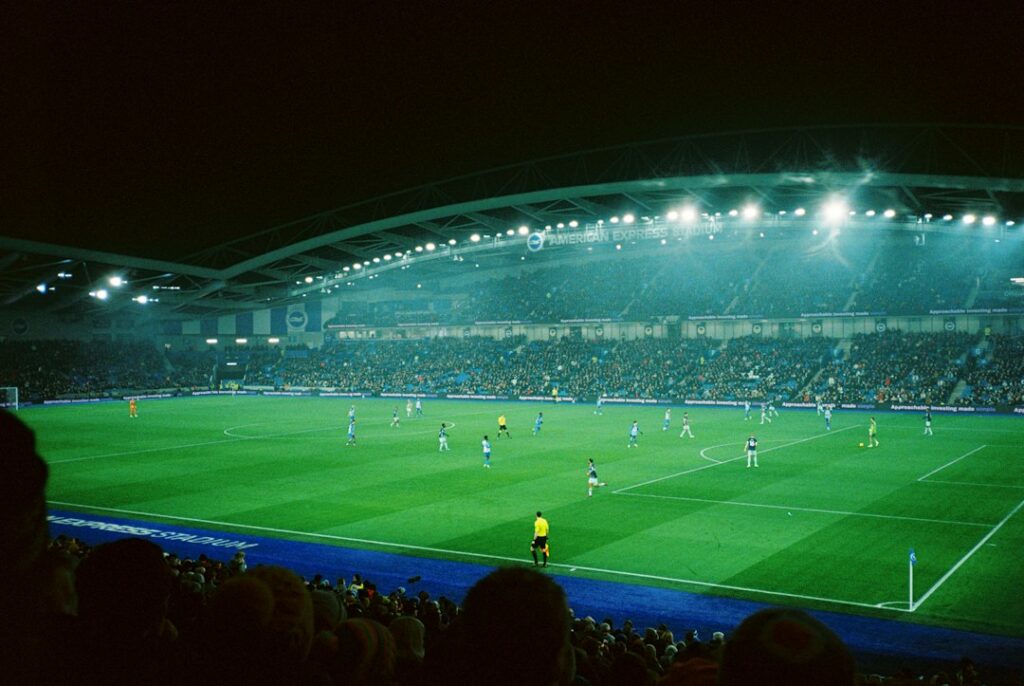

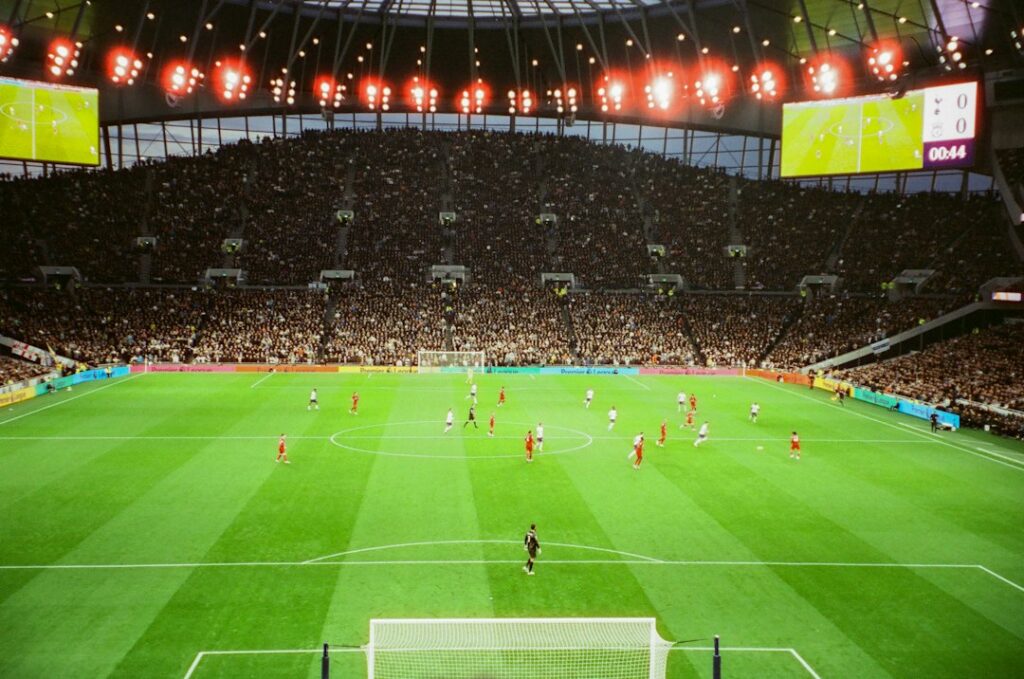






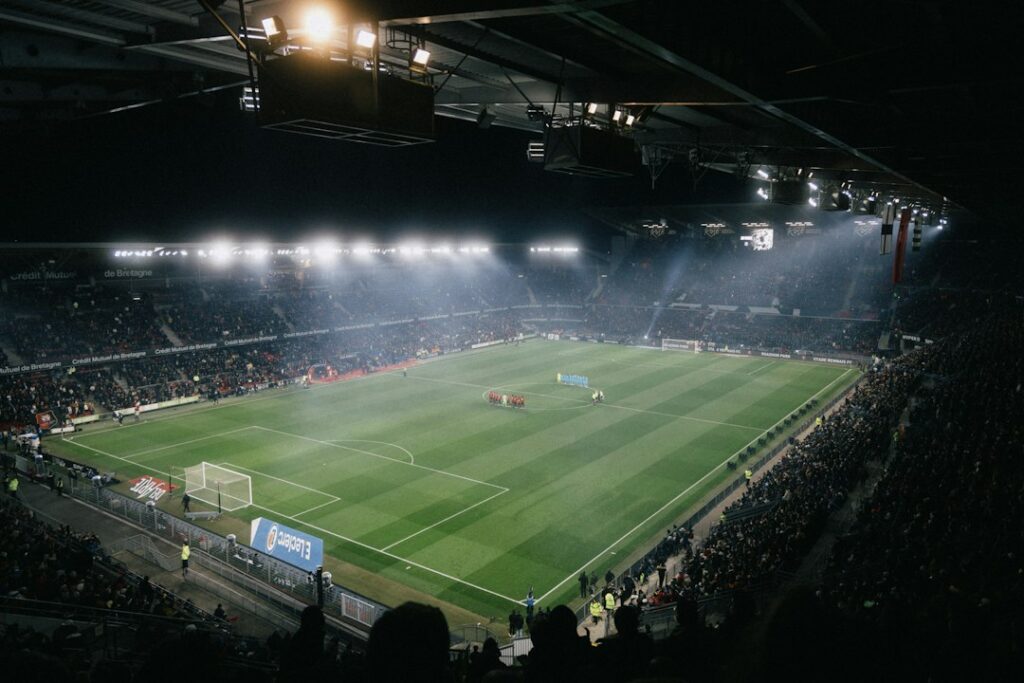


Premier League Explained: Format, Points, Relegation and How It Works

The Premier League is the most watched football league on the planet. Matches are broadcast in almost every country, and its clubs are some of the richest in world sport. Yet for new fans the basics are not always obvious: how many teams play, how the title is decided, who goes down and who qualifies for Europe. This guide explains it all in plain language.
A short history
The Premier League began in the 1992-93 season, when the clubs of the old First Division broke away from the Football League to form a new top tier with its own commercial and television deals. English top-flight football itself goes back to 1888, but the Premier League era is the one most modern records are measured against.
How many teams and matches?
There are 20 clubs. Each club plays every other club twice, once at home and once away, for a total of 38 matches per season. The season usually runs from August to May, with a short break around the international calendar.
How points work
- Win: 3 points
- Draw: 1 point
- Loss: 0 points
The club with the most points after 38 matches is champion. If teams finish level on points, they are separated by goal difference, then goals scored. Further tie-breakers such as head-to-head results only apply in rare cases, and a play-off match can be used if the title or relegation still cannot be separated.
Relegation and promotion
The bottom three clubs are relegated to the Championship, the second tier of English football. They are replaced by three clubs coming up: the top two in the Championship are promoted automatically, and the third place goes to the winner of a play-off between the teams finishing third to sixth. The Championship play-off final at Wembley is often called the richest game in football because of the TV money that promotion brings.
Qualifying for Europe
The top of the table is not only about the trophy. The highest-placed clubs qualify for the UEFA Champions League, normally the top four, with an extra place possible when English clubs perform well in Europe the previous season. Lower places, plus the FA Cup and League Cup winners, lead to the Europa League and Conference League.
Who has won it?
Manchester United have won the most Premier League titles with 13, all under Sir Alex Ferguson. Manchester City dominated the 2010s and early 2020s, including four titles in a row from 2020-21 to 2023-24. Liverpool won in 2019-20 and 2024-25, and Arsenal ended a 22-year wait by winning the 2025-26 title, their fourth Premier League crown after 1997-98, 2001-02 and the unbeaten 2003-04 season. Chelsea, Blackburn Rovers and Leicester City, the 5,000-1 outsiders of 2015-16, complete the list of champions. See our guide to the biggest Premier League clubs for more.
Key rules new fans should know
- Squad sizes: clubs register a 25-player squad, with a minimum number of home-grown players.
- VAR: video assistant referees review goals, penalties, red cards and mistaken identity.
- Financial rules: clubs must follow profit and sustainability regulations, and breaches can lead to points deductions.
- Substitutes: teams can make five substitutions in three windows during a match.
If you are new to the game itself, start with our offside rule explainer and our guide to football positions.
Why it is so popular
The Premier League combines unpredictable results, intense rivalries and world-class players from every continent. Even the smaller clubs can beat the giants on a given weekend, which keeps every round of fixtures worth watching. That competitive balance, together with huge global TV deals, is why the league is followed in more than 180 countries.